
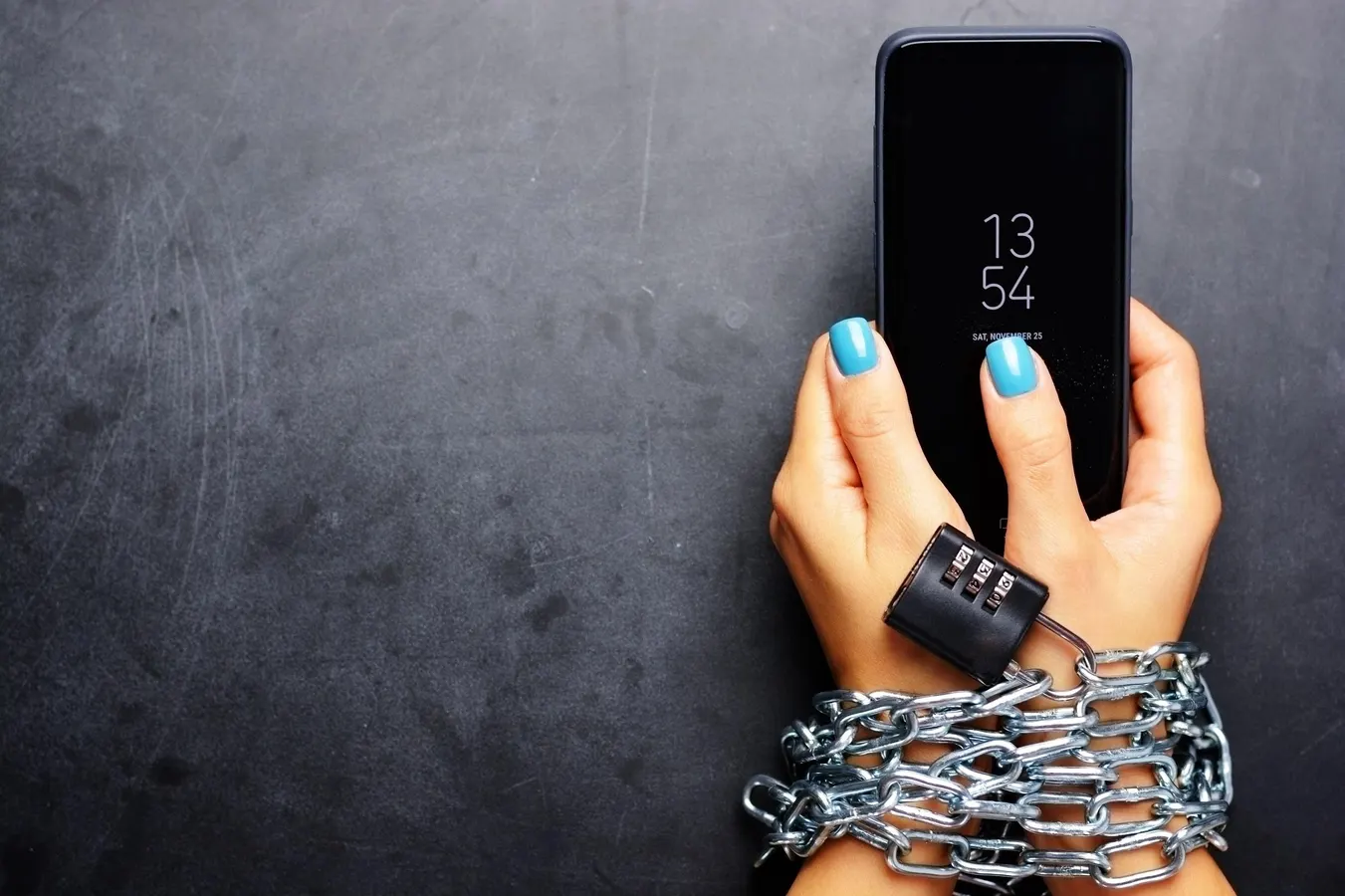
How AI Is Quietly Reshaping Human Trust in 2025?
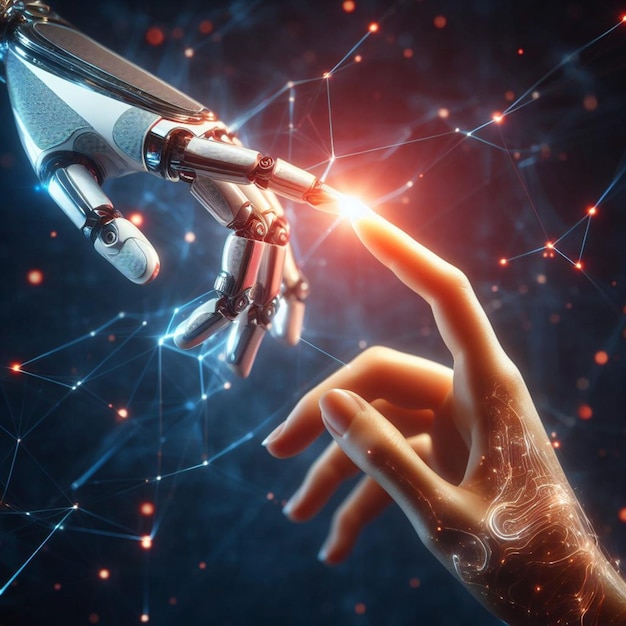
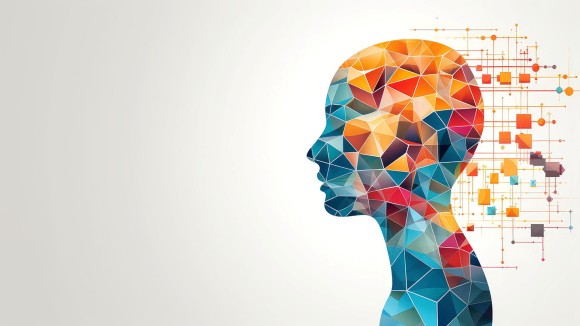

Artificial intelligence is no longer a silent tool that sits behind screens waiting for commands. It has grown into a powerful system that influences choices, guides opinions, predicts human behaviour, and shapes the direction of society. Many people still imagine AI as something separate from daily life, but in 2025 it lives inside every message, search, suggestion, recommendation, and decision we make online.
We are entering a time when machines do not simply assist choices. They shape them.
This change raises new questions about trust, identity, and the future of human decision making.
This article explores how AI is quietly transforming everyday behaviour, how it affects personal trust, and why society must understand this shift before it becomes impossible to control.
If you want a complete introduction to online safety, you can explore our guide on Cybersecurity Basics:
https://dokopress.com/cybersecurity-basics
AI Has Evolved From a Tool Into a Decision Maker
Artificial intelligence started as a simple system that followed strict instructions. Today it has become something entirely different. AI can learn human patterns, predict future behaviour, and respond in ways that feel natural and emotionally intelligent.
Modern AI studies details people are not consciously aware of, such as:
• typing rhythm
• emotional tone in messages
• browsing behaviour
• time spent on different topics
• scrolling patterns
• interests and values
• habits and reactions
From this information AI learns what a person wants, what they fear, what they hope for, what they believe in, and even what they might choose next.
This means AI is not only giving answers.
It is shaping the direction of thoughts before people notice.
If you want to learn more about emotional manipulation through technology, you can explore our page on Social Engineering Explained:
https://dokopress.com/AI-Human-Trust-2025/
A deeper reference from the National Institute of Standards and Technology explains how AI driven decisions influence modern security models:
https://www.nist.gov/cybersecurity
AI Generated Reality Is Redefining What Truth Means Online


The online world used to be a place where information, although messy, came from real humans. Now the internet is filled with content made by machines, often without telling the user.
People encounter:
• images created by AI
• voices that sound real but belong to no one
• videos that show events that never happened
• reviews generated by scripted personalities
• articles written by automated systems
This creates a new form of uncertainty. If the things we see and hear can be manufactured at any moment, how can we trust what we consume?
A report by the Europol Cybercrime Centre confirms that AI generated misinformation is becoming one of the fastest growing digital risks:
https://www.europol.europa.eu
For readers who want to follow the latest developments, you can browse our AI News section for updates:
https://dokopress.com/ai-news
AI Is Quietly Influencing Private Conversations
AI does not only influence public content. It now shapes private communication through:
• typing suggestions
• smart replies in messaging apps
• AI curated contact visibility
• predictive recommendations
• emotional tone adjustments
• personalised filters
These features alter how people communicate, think, and feel. They guide conversations in subtle ways. Someone may believe a thought came from their own mind, even though it was nudged by an automated suggestion.
This influence happens silently and continuously, making AI one of the most powerful behavioural tools of modern time.
If you want to understand how these features affect privacy, explore our Online Privacy Tips:
https://dokopress.com/online-privacy-tips
AI Learns More About You Than You Know About Yourself
Artificial intelligence does not simply gather information. It analyses and interprets it.
It learns what attracts attention and what causes hesitation.
It learns what convinces someone and what makes them doubt.
It learns emotional triggers, spending habits, behavioural patterns, and personal motivations.
This allows AI to predict behaviour with remarkable accuracy. In some cases AI understands a person’s decisions better than the person themselves.
This raises a deep question.
If AI understands our choices more than we do, who is truly in control?
A global study by the World Economic Forum warns about the risks of AI driven decision shaping:
https://www.weforum.org/topics/cybersecurity
Dependence on AI Is a Silent Global Issue


People rely on AI for information, planning, creativity, problem solving, emotional support, and even conflict resolution. This dependence is growing every year.
The danger is not that AI will replace humans.
The danger is that humans will forget how to think without AI guidance.
If a platform modifies its algorithm, millions of decisions worldwide change immediately.
This means AI does not need to control people directly.
Its influence works through subtle guidance and behavioural shaping.
To understand modern threat patterns, you may explore our Tech Trends insights:
https://dokopress.com/tech-trends
A technical study from OpenAI Research further explains the psychological effects of AI influence:
https://openai.com/research
AI Is Also Transforming Life in Positive Ways
It is important to recognise that AI is not only a source of concern. It is also one of the most transformative tools humanity has ever created.
AI contributes to:
• early medical diagnosis
• personalised learning for students
• fast and accurate fraud detection
• advanced cybersecurity analysis
• improved accessibility for disabled users
• creative tools for artists and writers
AI is becoming a powerful global partner. If used wisely, it can expand opportunity and improve life for millions.
The IBM Security Intelligence Report offers strong insights into how AI is improving cyber defense:
https://www.ibm.com/security/data-breach
Trust in the Future Will Depend on Digital Awareness
In a world filled with AI shaped content, trust will become one of the most valuable forms of currency. People must learn how to question information, verify sources, observe patterns, and recognise manipulation.
Digital literacy will become as important as reading and writing.
It will protect people from mistakes, scams, false information, and emotional manipulation.
If you want a simple beginning, read our resource on Cybersecurity Basics:
https://dokopress.com/cybersecurity-basics
Final Thought: Humans Must Stay in Control of Their Choices
Artificial intelligence is powerful enough to improve life and dangerous enough to reshape it.
The challenge is not to stop AI.
The challenge is to understand it deeply and guide it responsibly.
We are not just protecting data.
We are protecting emotion.
We are protecting independence.
We are protecting the ability to think freely.
The future belongs to societies that learn how to balance intelligence, ethics, and human value.
This is the moment to learn that balance.