
Every digital interaction—whether sending a message, accessing cloud services, or making an online payment— relies on secure networks. Cybersecurity and networking together form the foundation that keeps modern digital systems reliable, private, and resilient.
Understanding Cybersecurity
Cybersecurity refers to the protection of systems, networks, and data from unauthorized access, misuse, disruption, or destruction. As digital systems become more interconnected, cyber threats have grown in both scale and sophistication. What once targeted only large organizations now affects individuals, small businesses, educational institutions, and governments alike.
Effective cybersecurity is not limited to installing software or tools. It is a continuous process involving risk assessment, secure design, active monitoring, incident response, and long-term recovery. The goal is not only to prevent attacks, but also to minimize damage when incidents occur.
The Role of Networking in Security
Networking defines how devices communicate, share data, and access resources. From local office networks to the global internet, networking architecture determines how information flows—and where vulnerabilities may exist.
Many cyberattacks succeed not because systems are complex, but because networks are poorly configured. Open ports, weak authentication, flat network design, and outdated protocols often create entry points for attackers. Understanding networking fundamentals is therefore essential for building secure systems.
Common Cybersecurity Threats
Cyber threats come in many forms, but most attacks exploit human behavior, software flaws, or weak network controls. Malware remains one of the most widespread threats, often delivered through malicious downloads, infected websites, or compromised email attachments.
Phishing attacks continue to be highly effective by manipulating trust rather than technology. Attackers impersonate legitimate organizations to trick users into revealing sensitive information. Ransomware has also become a major global concern, encrypting data and demanding payment to restore access.
At the network level, threats such as man-in-the-middle attacks, unauthorized access, and traffic interception exploit insecure connections and weak encryption. These attacks highlight the importance of secure communication and continuous network monitoring.
Key Components of Network Security
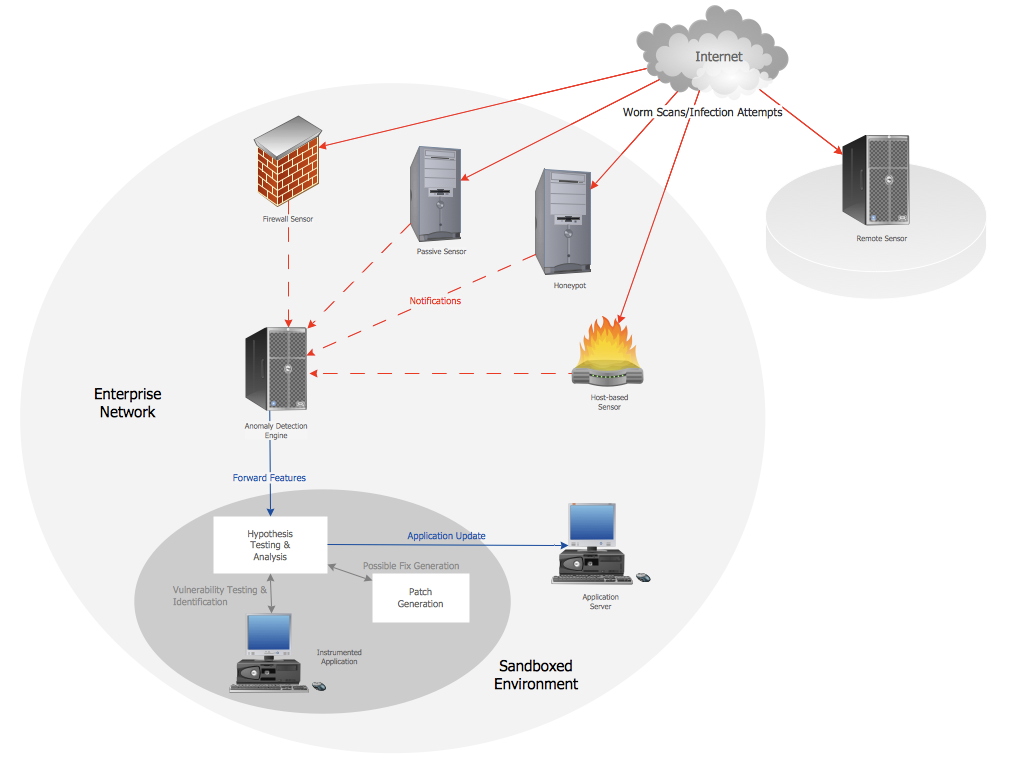
Network security relies on multiple layers of protection working together. Firewalls act as the first line of defense by filtering incoming and outgoing traffic based on defined rules. Intrusion detection and prevention systems analyze network activity to identify suspicious behavior in real time.
Encryption ensures that data remains confidential during transmission, even if intercepted. Network segmentation limits the spread of attacks by isolating critical systems from less secure areas. Secure protocols and access controls further reduce exposure by enforcing authentication and integrity checks.
Why Cybersecurity and Networking Matter Today
Digital transformation has increased reliance on cloud services, remote work environments, and online platforms. While these advancements improve efficiency and accessibility, they also expand the attack surface. A single misconfigured network component can expose vast amounts of sensitive data.
Cybersecurity and networking are no longer purely technical concerns. They directly impact business continuity, public trust, legal compliance, and national security. Organizations that invest in secure network design and proactive defense are better prepared to adapt to evolving threats.
Cybersecurity and Networking as a Career Path
The growing demand for secure digital systems has created strong career opportunities in cybersecurity and networking. Roles such as network security analyst, SOC analyst, penetration tester, and cloud security engineer require both technical knowledge and analytical thinking.
Professionals with a solid understanding of networking principles are better equipped to identify vulnerabilities and design effective security controls. As threats continue to evolve, continuous learning remains a key requirement in this field.
Building a Secure Digital Future
Cybersecurity and networking are inseparable. Networks enable digital communication, and security ensures that communication remains trustworthy. Together, they protect the systems that power modern life.
By understanding how networks function and how threats exploit weaknesses, individuals and organizations can make informed decisions that strengthen digital safety. In an increasingly connected world, security begins with knowledge.