
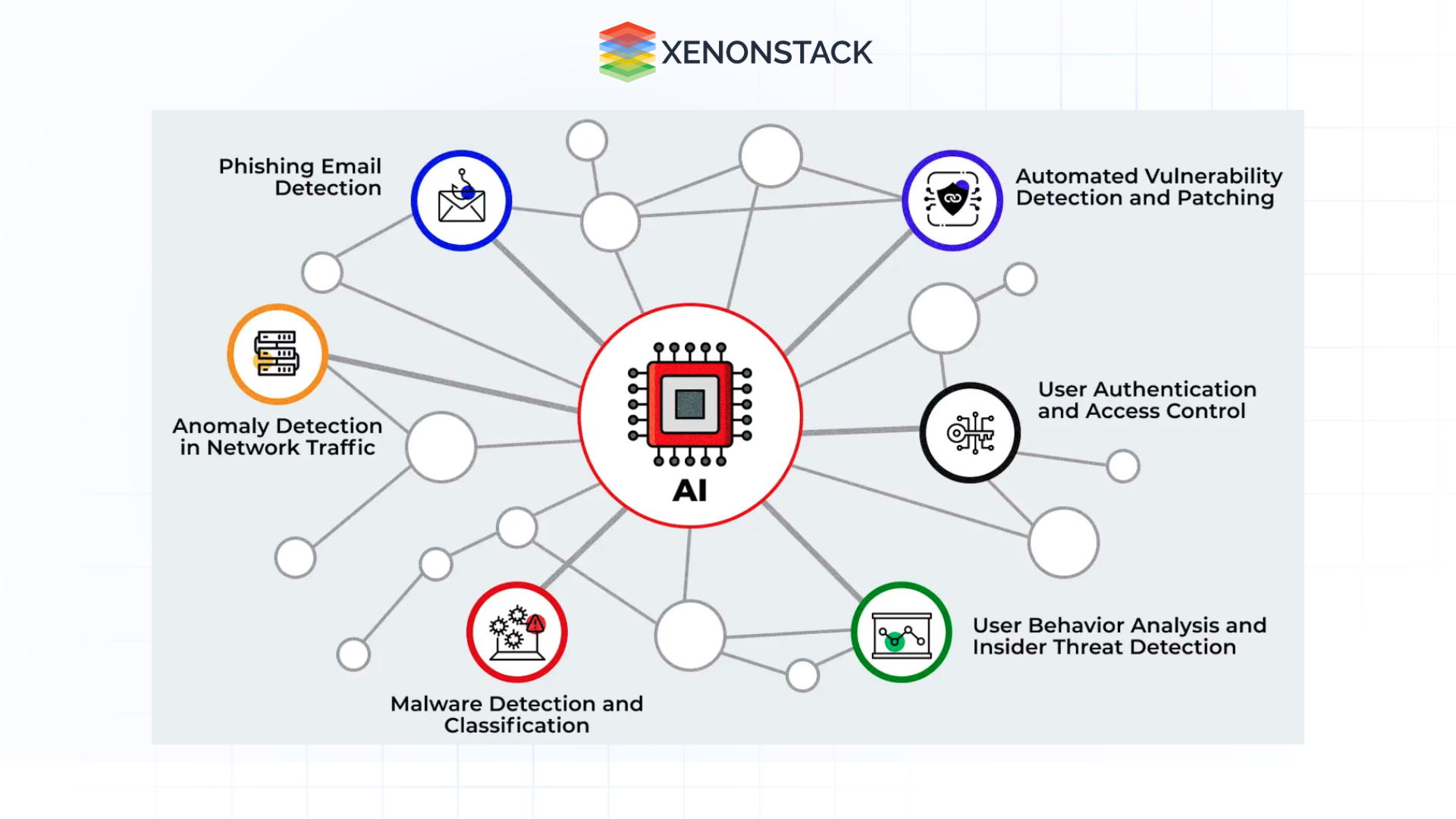
Cybersecurity didn’t evolve in 2025. It snapped.
Firewalls failed. Signature-based antivirus became irrelevant. And human security teams? Completely overwhelmed.
The only reason the internet is still functioning is simple: AI took over the front line.
The Truth No One Likes to Say
Cyberattacks are no longer crafted by humans sitting in dark rooms. They’re launched by automated systems that adapt in real time.
- Phishing emails written by AI
- Malware that mutates every execution
- Ransomware that chooses victims algorithmically
Against that speed, traditional security tools don’t stand a chance.
This isn’t a tools problem. It’s a time problem.
Why AI Became Mandatory — Not Optional
Old security asked one question:
“Have we seen this attack before?”
AI asks a better one:
“Does this behavior break reality?”
That single shift changed everything.
- Suspicious logins flagged before breach
- Data exfiltration detected mid-transfer
- Insider threats exposed without alerts
Modern cybersecurity is no longer reactive.
It’s predictive.
AI vs AI: The Silent Cyber War
Attackers didn’t wait. They adopted AI faster than defenders did.
Today’s attacks use AI to:
- Personalize phishing at scale
- Evade detection models
- Automatically choose the weakest target
This forced one outcome:
If defenders don’t use AI, they lose.
Inside a Modern Security Operations Center
In 2020: Thousands of alerts. Most ignored.
In 2025: AI compresses the noise into a few real threats.
Security teams now rely on AI to:
- Correlate logs across systems
- Rank threats by real impact
- Trigger automated response actions
Humans didn’t disappear. They finally became useful again.
The Problem With Blind Trust in AI
AI saved cybersecurity. But it also introduced new risks.
- Poisoned training data
- Model bias
- False confidence in automation
The dangerous mindset is this:
“AI will handle it.”
The correct one is this:
“AI assists — humans decide.”
If You’re Learning Cybersecurity Right Now
Forget chasing tools. Forget vendor certifications first.
Master these instead:
- Networking fundamentals
- Linux behavior
- Log analysis
Then add:
- Python automation
- How ML models fail
- How attackers think
Cybersecurity is shifting from button-clicking to decision-making.
The Bottom Line
AI didn’t make cybersecurity easier. It made survival possible.
Organizations that ignore AI will detect breaches late, respond slowly, and lose trust permanently.
Those who use AI correctly — with human control — will quietly dominate the digital world.
That’s the DokoPress difference.
No fear marketing. No buzzwords. Just reality.
Stay informed. Stay sharp.